For manufacturers in the food, pharmaceutical, and daily chemical sectors, choosing the right coding technology for flexible film packaging is a critical decision. The wrong choice can lead to:
Smudged expiry dates
Costly production downtime due to frequent consumable changes
Inflated operational costs
Two technologies dominate this space: Thermal Transfer Overprinting (TTO) and Thermal Inkjet (TIJ). While TTO has traditionally been the go-to for flow wrappers and vertical form-fill-seal (VFFS) machines, recent advancements in TIJ technology have narrowed the gap significantly.
This guide breaks down the tradeoffs between speed, ribbon usage, ink costs, and print durability to help you calculate the true Total Cost of Ownership (TCO) for your production line.
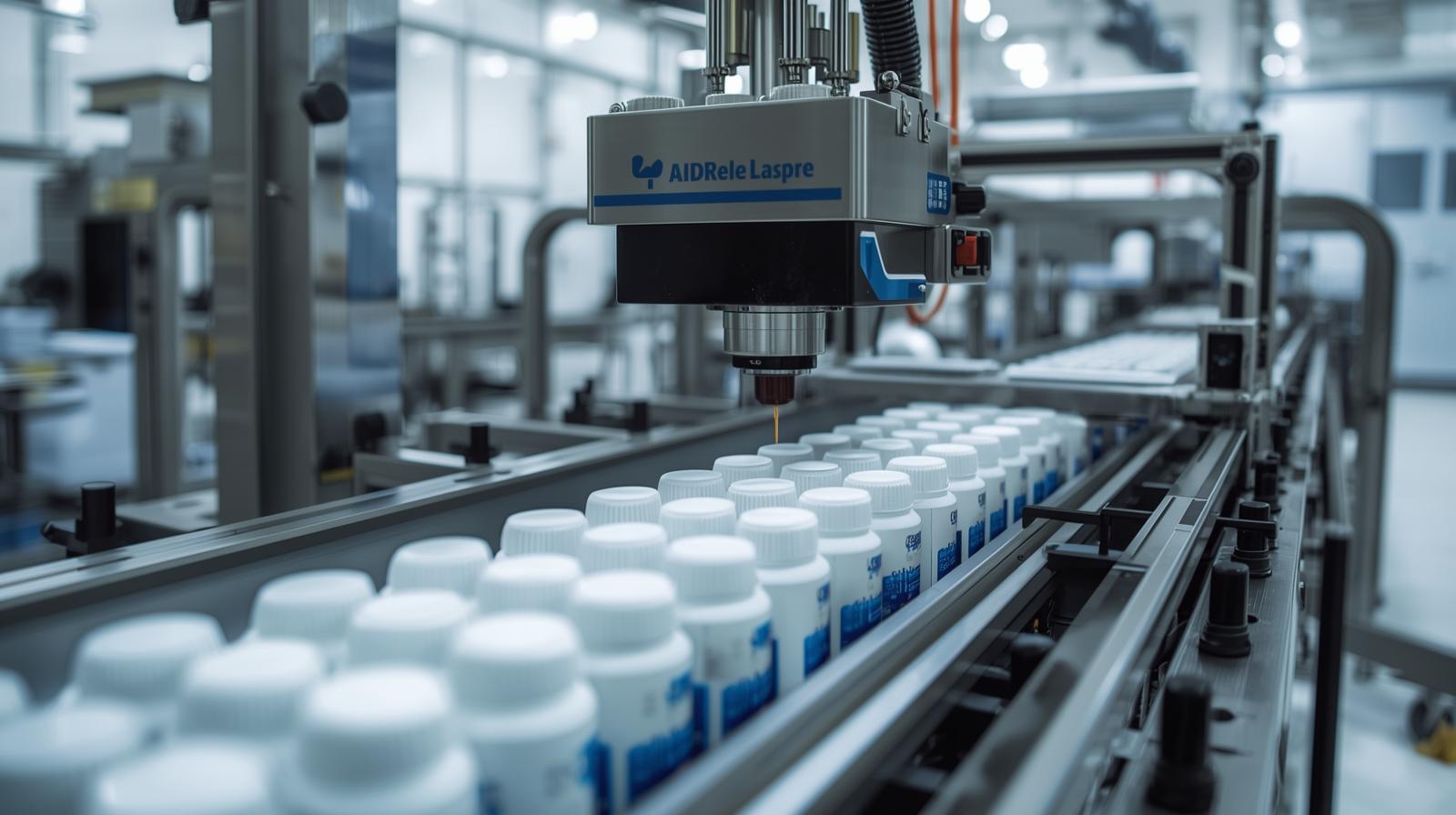
Before diving into the costs, let's clarify how these technologies apply to flexible packaging.
A non-contact technology that uses heat to expel ink droplets from a cartridge. Famous for being:
Clean and maintenance-free
New printhead with every cartridge
High-resolution output
A contact technology designed specifically for flexible film. A heated printhead presses against a thermal transfer ribbon, melting ink onto the packaging film.
| Feature | TIJ (Thermal Inkjet) | TTO (Thermal Transfer Overprinting) |
| Method | Non-contact (Ink spray) | Contact (Heat + Ribbon) |
| Primary Consumable | Ink Cartridge | Ribbon (Wax/Resin) |
| Best For | Porous surfaces & some non-porous films | Flexible films (foils, polybags, films) |
Speed is often the first filter when selecting equipment.
Engineered for integration with packaging machines (like VFFS)
Handles intermittent and continuous modes effectively
Limitation: High-speed printing requires precise synchronization; if line speed fluctuates significantly, print quality may suffer
Modern solvent-based inks dry almost instantly, allowing TIJ to compete on medium-to-high-speed lines:
Speed range: Up to 60–90m/min (depending on resolution)
Far simpler to operate than traditional systems
Note: At extremely high speeds (e.g., beverage bottling lines), Continuous Inkjet (CIJ) or Laser might still be preferred. But for standard food packaging lines, TIJ is often sufficient.
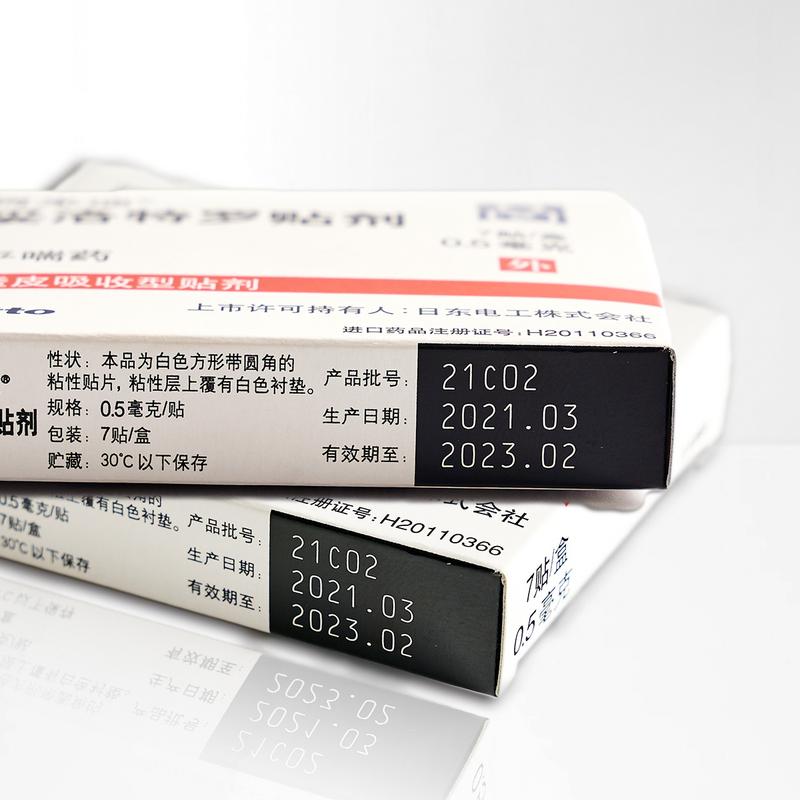
This is where the operational cost difference is most visible.
The Hidden Cost: Ribbon breakage and changeovers
Every time a ribbon runs out, the line stops
Threading a new ribbon takes time and skill
Pros:
Snap-in cartridges
Changing takes seconds
No threading, no mess, no warm-up time
Cons:
Solvent inks for non-porous films can be more expensive per print than ribbon (for high coverage prints like large logos)
For simple date codes, TIJ is highly competitive
TTO Advantage:
Superior adhesion on difficult substrates (glossy films, foils)
Ink is melted into the surface layer
Standard for wash-down environments or frozen food packaging
Both technologies produce high-resolution codes (300–600 DPI):
TIJ: Maintains consistent sharpness throughout cartridge life
TTO: Quality can degrade if ribbon wrinkles or printhead pressure is uneven
Critical: Don't just look at the machine price (CAPEX). Calculate the OPEX!
Total Cost = Machine Cost
           + (Cost per Print × Annual Volume)
           + (Downtime Cost × Hours lost to Consumable Changes)
TIJ wins when:
Short-run / Frequent changeovers
Minimal setup time needed
Low maintenance costs offset slightly higher ink cost
TTO wins when:
Long-run / 24-7 production
Lower ribbon cost per print adds up over millions of prints
Downtime is well-managed
Mounting: Ensure bracketry is rigid (vibration = quality enemy)
Tension: Correct ribbon tension prevents "ribbon snap" errors
Distance: Printhead must be 1–3mm from film for sharp text
Substrate: Ensure ink formulation matches film type
For manufacturers looking for factory-direct value without compromising on core performance, Nano Mark provides robust solutions designed for flexibility:
NM720 White Inkjet Printing MachineBest for dark substrates, cables, and plastic films requiring high-contrast white ink. Ideal for readable expiration dates on dark packaging with pigment-based inks that deliver reliable prints even in low temperatures or humid environments.View NM720 Specifications
NM760 & NM800 Inkjet Printing MachinesHigh-speed inkjet printers for a wide range of TIJ applications, offering flexibility across carton and film packaging with easy cartridge replacement.Browse Full Product Catalog
Need help comparing Nano Mark models with other brands? Contact our support team for a free consultation.
A: Depends on ribbon length (usually 600m–1200m) and message size. Features like "ribbon save mode" can extend this significantly.
A: Yes, provided you use solvent-based inks designed for non-porous surfaces. These dry immediately upon contact.
A: Both work well, but TIJ is often preferred for variable QR codes and Data Matrix codes due to its high digital resolution and sharpness.
The battle between TTO and TIJ isn't about which technology is superior—it's about which fits your specific workflow.
Simplicity and low maintenance
Quick changeovers
Modern digital flexibility
Rock-hard durability on film
Ultra-low variable costs for millions of prints
Proven technology for harsh environments
Ready to test the print quality?
Download our full spec sheets or request a sample print test on your film material today.
Contact: Jason
Phone: +8613337336942
E-mail: [email protected]
Add: Hangzhou City, Zhejiang Province, China