Color coding on dark substrates is where pigmented inks and laser foaming both shine—but in very different ways. In real production environments, I often end up using both, depending on the product type, required lifetime, regulatory demands, and cost targets.
When you are working with black cables, dark plastic parts, colored films, or coated cartons, standard dye-based inks simply cannot deliver reliable visibility. This is where white pigmented inkjet and laser foaming technology become the two most effective high-contrast marking solutions.
This guide explains how each technology works, where each performs best, and how I select between them on real production lines—using actual Nano Mark system examples.
On any dark substrate project, the technical requirements are almost always the same:
High contrast (preferably white or very light codes on black or colored backgrounds)
High-speed readability for both human inspection and vision systems
Long-term stability across the full product lifecycle
Both pigmented inkjet and laser foaming meet the contrast requirement, but they behave very differently in terms of adhesion, durability, flexibility, maintenance, and total cost of ownership (TCO).
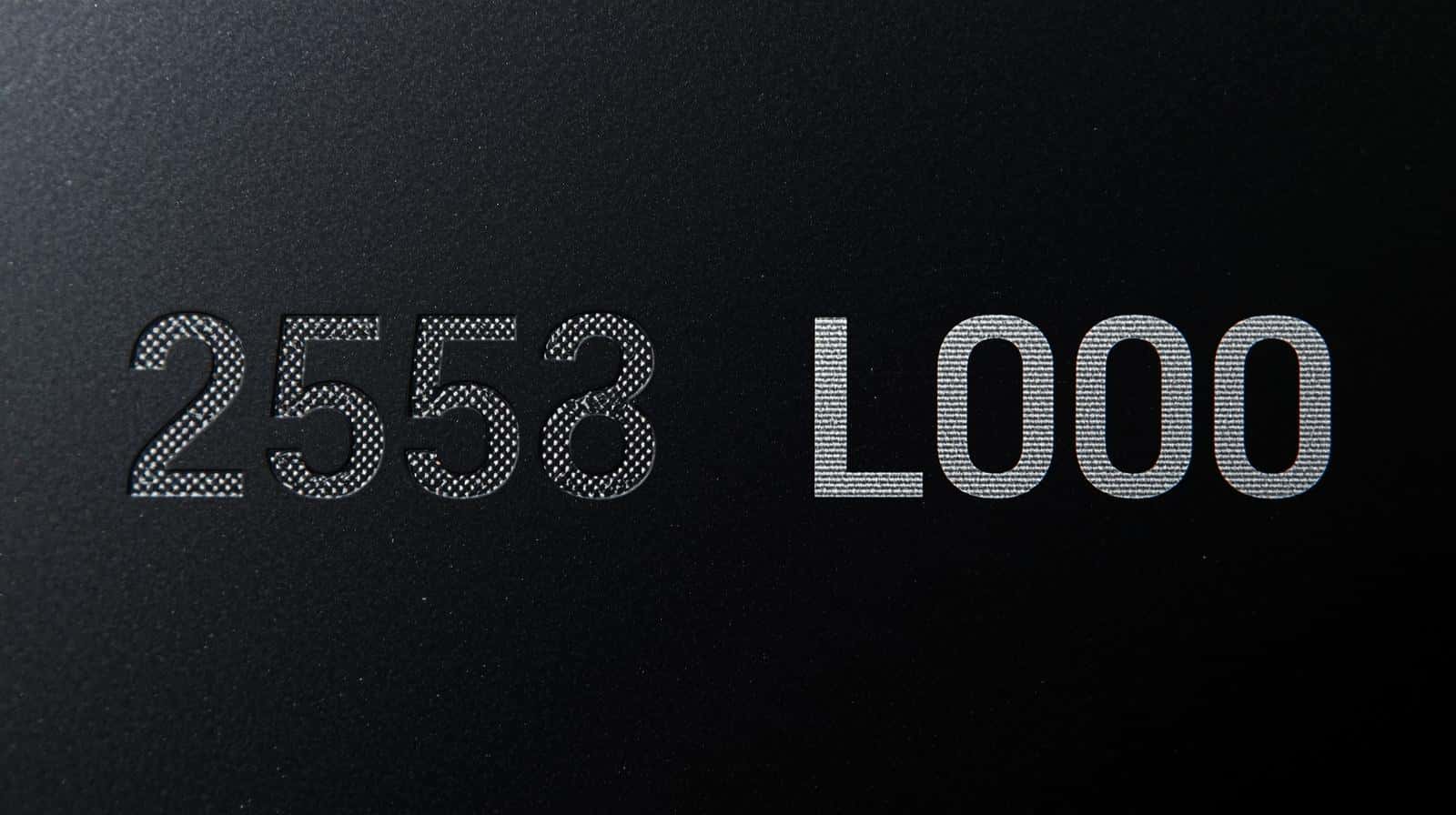
Pigmented inks work by depositing solid opaque particles on the surface of the material instead of soaking in like dye inks. This allows the printed code to remain bright and visible even on deep black or colored surfaces.
This makes pigmented inkjet ideal for:
Dark plastic films
Rubber and coated materials
Cables and extrusion products
Colored cartons and laminated packaging
On dark-substrate production lines, I primarily use:
NM720 White Inkjet Printing Machine
Designed specifically for high-opacity white printing on dark plastics, films, and cables. It delivers strong contrast where dye inks completely disappear.
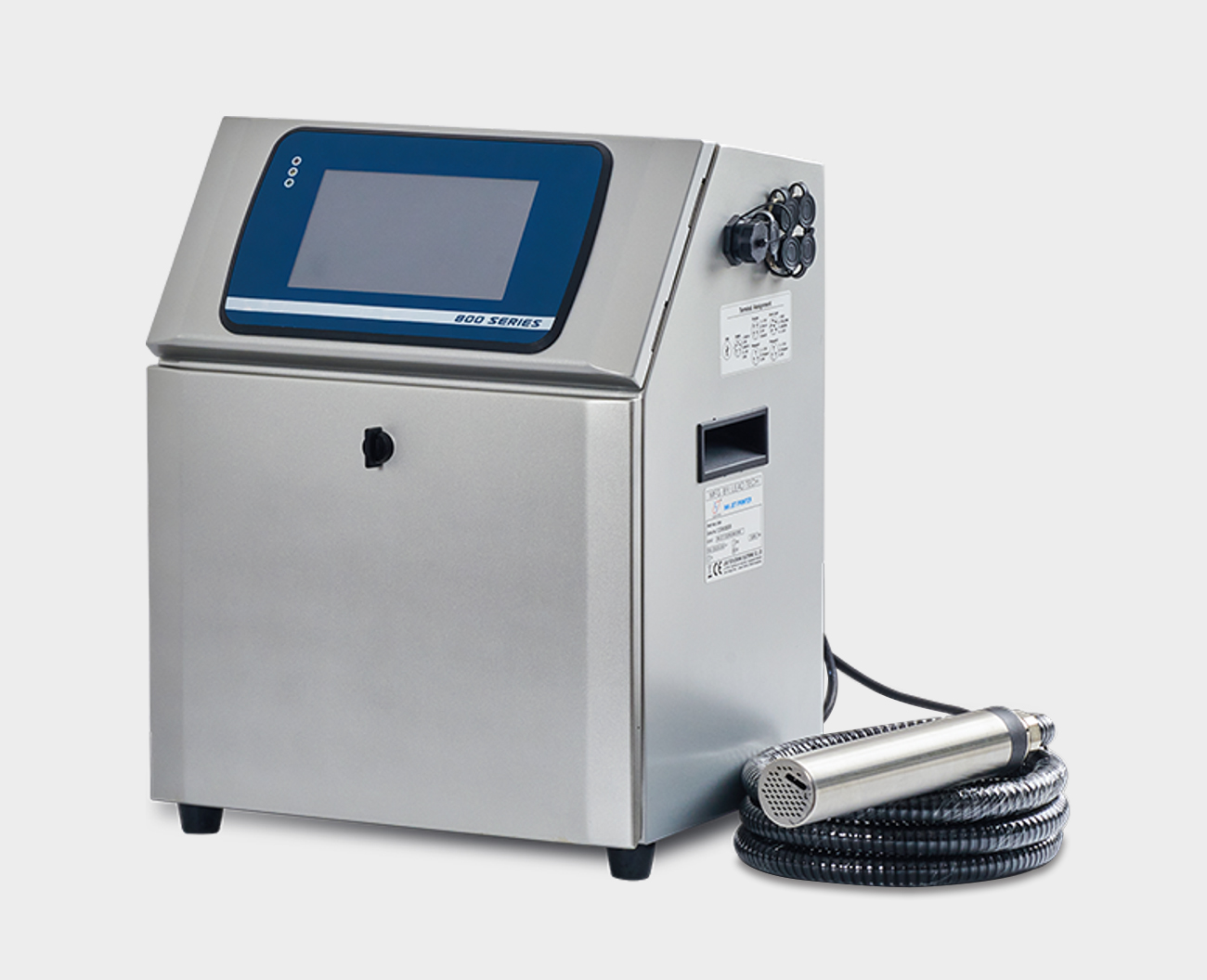
NM800 Inkjet Printing Machine
Used for high-speed continuous coding, supporting both pigmented and high-contrast inks. Built-in ink monitoring helps reduce additive waste and long-term running costs.
Exceptional brightness and edge sharpness, even at small font sizes
Multi-color coding capability (white, yellow, light blue, etc.)
Extreme flexibility—change layouts, colors, barcodes, or QR codes instantly without changing the product material
Wide material compatibility across mixed packaging lines
The code remains a surface coating, which means it can be scratched or chemically attacked in aggressive environments
Requires consumables such as ink, make-up, and filters
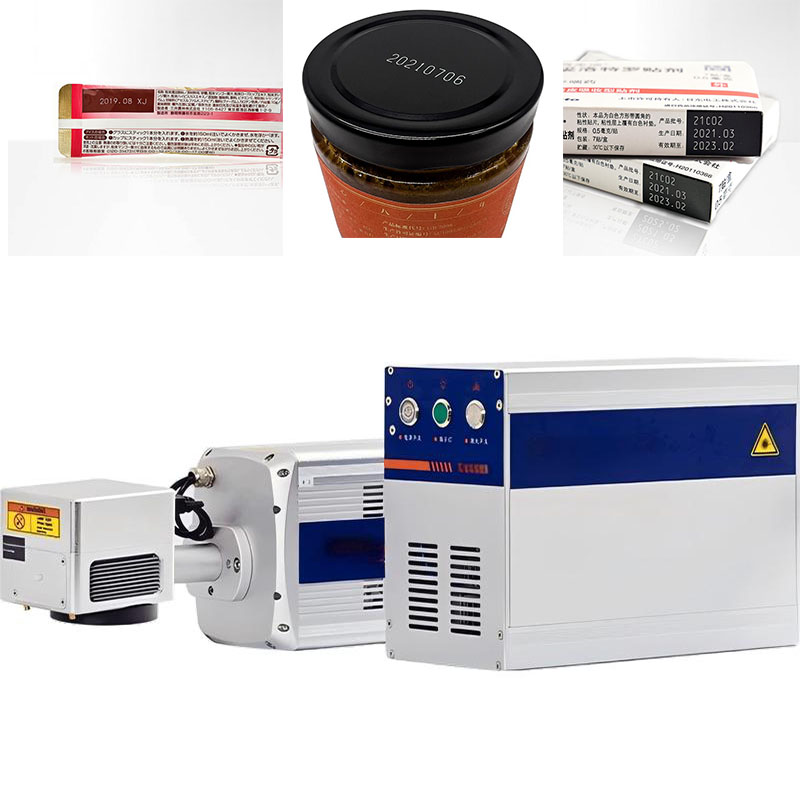
Laser foaming works in the opposite way. Instead of adding material, the laser modifies the plastic surface at a molecular level, creating microscopic gas bubbles. These bubbles scatter light, producing a white, tan, or gold-colored mark on dark plastics.
This process creates a permanent, ink-free code that becomes part of the product surface itself.
I typically select laser foaming when:
The substrate is a dark, laser-reactive plastic
The customer wants zero consumables
The code must be permanent, tamper-resistant, and abrasion-proof
CO₂ Laser Printer
Ideal for plastics, coated materials, and organic substrates, producing clean color change and foaming effects at high speed.
Fiber Laser Marking Machine
Best suited for high-density plastics, filled polymers, and even metals, offering extremely low operating cost per code.
No inks, no solvents, no cartridges
Outstanding durability—resistant to abrasion, chemicals, UV, and washing
Ultra-low long-term operating cost
Environmentally friendly—no VOCs, minimal waste
Perfect for high-speed, automated production lines
Not all plastics respond well to foaming
Material formulation directly affects contrast quality
Higher initial investment than inkjet systems
| Aspect | Pigmented Inkjet (NM720 / NM800) | Laser Foaming (CO₂ / Fiber Laser) |
|---|---|---|
| Marking principle | Deposits opaque pigment particles | Modifies plastic surface via micro-bubble formation |
| Best substrates | Dark plastics, rubber, films, cartons, cables | Dark plastics and laser-reactive materials |
| Contrast on dark background | Excellent with white and light inks | Excellent if material foams well |
| Durability | Very good, but still surface-level | Outstanding, fully integrated into material |
| Consumables | Ink, solvent, filters | None |
| Changeover flexibility | Extremely flexible | Content flexible, but material-dependent |
| Upfront investment | Lower | Higher |
| Long-term TCO | Medium | Very low |
| Environmental profile | VOCs and empty cartridges possible | No VOCs, minimal waste |
When specifying a new dark-substrate line, I walk through three key questions:
If the plastic responds consistently to foaming, CO₂ or fiber laser systems usually provide the lowest lifetime cost and highest durability.
If material formulations vary across SKUs, pigmented inkjet is the safer option.
For frequent SKU changes, promotions, or multi-color requirements, NM720 and NM800 pigmented systems offer superior flexibility.
For cleanroom, pharmaceutical, cosmetic, or sustainability-driven production, I recommend laser foaming wherever material allows—keeping inks only for substrates that lasers cannot handle.
In real-world manufacturing, the best solution is rarely “one or the other.”
Most modern factories achieve the best performance by combining:
Pigmented inkjet systems (NM720, NM800) for
Flexible packaging
Mixed materials
Frequent SKU changes
Laser foaming systems (CO₂ and Fiber) for
Dark engineering plastics
High-wear components
Long-life product identification
This hybrid strategy consistently delivers the best balance of contrast, durability, flexibility, compliance, and total cost of ownership.
If your priority is maximum flexibility, multi-color capability, and low initial investment, pigmented inkjet is the right tool.
If your priority is permanence, zero consumables, environmental compliance, and ultra-low long-term cost, laser foaming is the superior solution—when the material allows it.
In most industrial environments, using both technologies strategically delivers the strongest competitive advantage.
Choosing between pigmented inkjet and laser foaming is not just a technology decision—it directly affects your printing quality, uptime, compliance, and long-term operating cost.
At CodingMachine.net, we supply both high-contrast pigmented inkjet systems (NM720, NM800) and industrial CO₂ & fiber laser marking machines for dark plastic, film, cable, and packaging applications worldwide.
If you are unsure which solution fits your material, line speed, or regulatory requirements, our engineers can:
Test your actual samples
Recommend the correct coding technology
Provide full technical specifications and ROI estimates
Contact us now to get a customized dark-substrate coding solution.
Contact: Jason
Phone: +8613337336942
E-mail: [email protected]
Add: Hangzhou City, Zhejiang Province, China